The Softer Pour: Why Dinner Shouldn't End at Dessert
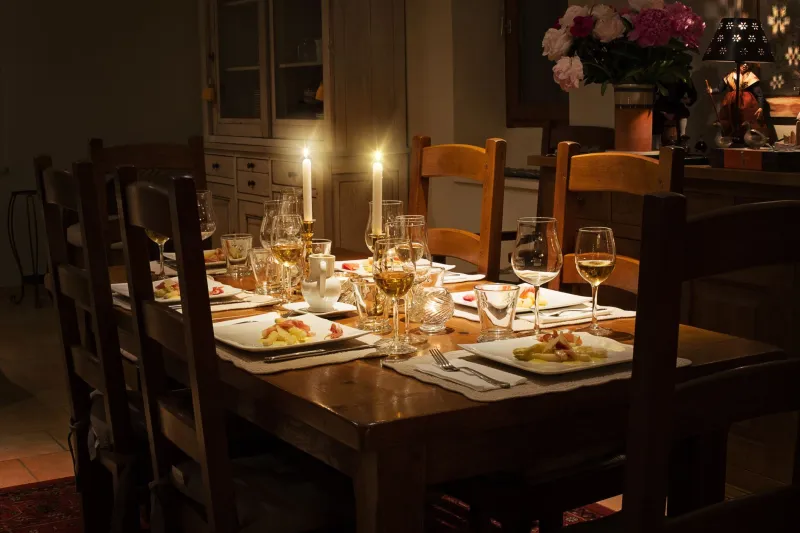
There is a moment at the end of a good dinner party that most hosts handle badly, and I include myself in that. The plates are stacked. Someone is scraping at a candle stub. The last fork gets picked up, the dishwasher starts its rumble, and a certain signal goes out across the room—unspoken, but unmistakable. The evening has been filed away.
Meanwhile, the teapot is still sitting there with plenty left in it.
The Second Steep Is Not a Rerun
If you have ever brewed a decent oolong or a nice second-flush darjeeling, you know the thing I am about to say. The first steep is impressive. It arrives loud, a little tannic, full of opinions. The second steep is quieter and, to my taste, better. The leaf has relaxed. The water gets in deeper. What comes out is rounder, softer, less interested in being noticed.
Dinner works the same way, and we treat that second steep like leftovers.
Think about the actual arc of a night. The first hour or so is performance: greeting, drinks, the flurry of getting food on the table, the little recital of what you made and where the recipe came from. Around dessert, people finally settle. The friend who was nervous about small talk with your neighbor has found something to talk about. Somebody mentions a bad job they had in their twenties. The talk gets slower and considerably more honest.
And that, precisely that, is when the host starts clearing.
What We Are Actually Rushing
I do not think anyone clears the table out of cruelty. It is usually tidiness, or fatigue, or a vague idea that the party has a shape and the shape is over. Sometimes it is plain anxiety: the fear that people are bored and would like to be released, and that if we do not release them, we will be the hosts who trapped a room full of tired adults in a dining chair at 10:40 on a Saturday.
That fear is worth taking seriously, because it is occasionally correct. Guests can feel stuck. But I would argue that the correction for a stuck guest is not to snatch the plate away—it is to build a clear set of exits into the evening, so that staying feels like an invitation and going feels like a courtesy rather than an escape.
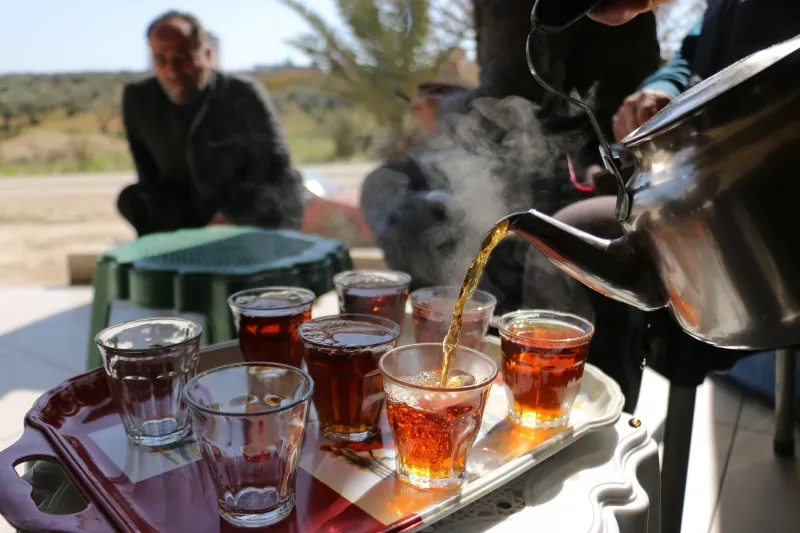
There is a lovely old habit in tea houses of never emptying the pot. You refill the water, you let it sit, you pour again whenever the cup gets low. Nobody announces the final round. The tea is simply there for as long as people are still sitting over it. That is the posture I am arguing for. Not a longer party. A softer landing.
Three Cues, Not a Script
You do not need a program for this. What you need are signals—small, obvious, and repeatable—that say the table is still open.
1. A fresh pot, with the heat turned down
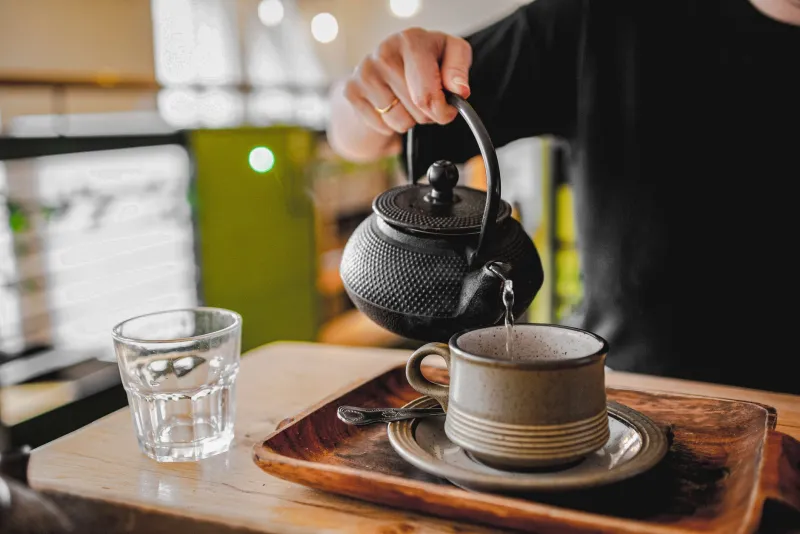
After dessert, do not ask whether anyone wants more tea. Asking creates a decision, and a decision creates a moment where someone has to be the first to say yes. Instead, just make a fresh pot of something gentle and put it down. A light oolong, a hojicha, a plain mint infusion, a decaf black if the hour is late. Steep it weaker than you would in the morning. The point is not the cup; the point is the object on the table, which announces that time is still moving in a leisurely direction.
If coffee is more your house style, this works just as well with a small pot of drip and a pitcher of milk. The ritual matters more than the leaf.
2. A very small sweet, served in an inconvenient amount
The second-steep sweet should not be a second dessert. It should be something that takes two bites and nothing more: a few squares of dark chocolate, a dish of dates, a couple of those little almond cookies, a wedge of candied orange peel. Enough to make the mouth busy while the conversation shifts gears. Never enough to make anyone feel obligated to rally.
This is also a useful hedge. A table with a tiny sweet on it looks like it is expecting you to stay a while. A table with nothing on it looks like it has moved on to the next thing.
3. A change of light
This is the cheapest trick in the book and it works every time. Somewhere between the last plate and the fresh pot, dim the overheads and leave only the low lamps and candles. A room that changes light is a room that has entered a different part of the evening. People read it instantly. Shoulders drop. The volume of the conversation comes down a notch, which is where the good stories live.
Give People an Easy Way Out
All of that hospitality collapses if guests feel they cannot leave. So say the quiet part out loud, once, and then let it go: something like, we are not going anywhere for a while, so stay as long as you like and slip out whenever you need to. It is a strange thing—people almost never bolt after hearing that. What they do is relax, because the decision has been handed back to them.
For the guest side, the same courtesy runs in reverse. A guest who stays for the second pot and then leaves is doing it right. A guest who stays until the host is asleep on the couch is doing something else.
The Pot Goes Cold Eventually
I am not suggesting you hold the table hostage until midnight every time you roast a chicken. There is a real end to the night, and it usually arrives on its own, announced by a yawn or a dog that needs walking or one person saying, with genuine regret, that they have an early start.
What I am suggesting is that we stop ending dinner at the exact moment the dessert plates are empty, because that is the moment the tea has barely opened. Pour the second steep. Sit back down. Let the last forty minutes be the softest ones.