Cook Once, Pour Twice: Turning Leftovers Into a Second Round of Hospitality
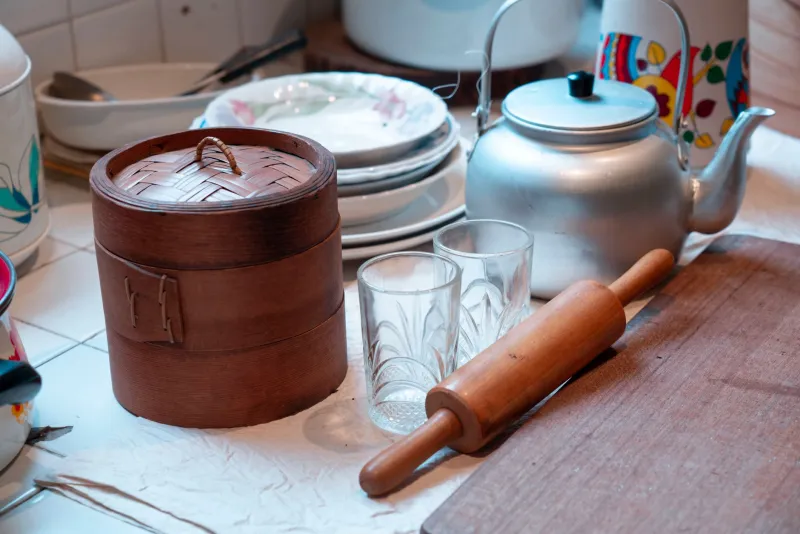
The first steep wakes the leaves. The second one tells you what they are made of. Anyone who has kept a pot going through a long afternoon knows this. The same is true of food. A meal shared on Saturday can become a gentler, easier kind of hospitality on Sunday, if you plan for it rather than apologize for it.
At Aiseki Chaya, we like the idea of the second steep because it asks us to stop treating leftovers as evidence of overbuying or poor math. They can be the next invitation. During the 2026 holiday season, when many US kitchens swing between feast and fatigue, that shift in thinking is useful. You do not need another elaborate menu. You need a little intention, a few good containers, and a kettle that stays warm.
Plan the second steep before the first one starts
Intentional leftovers begin at the grocery list. If you want a next-day lunch that feels like an invitation rather than an obligation, cook one more portion than your table needs, not three. A whole chicken instead of only breasts. A pot of beans instead of a single can. A quarter-sheet pan of roasted vegetables with enough left to fill a lunch bowl.
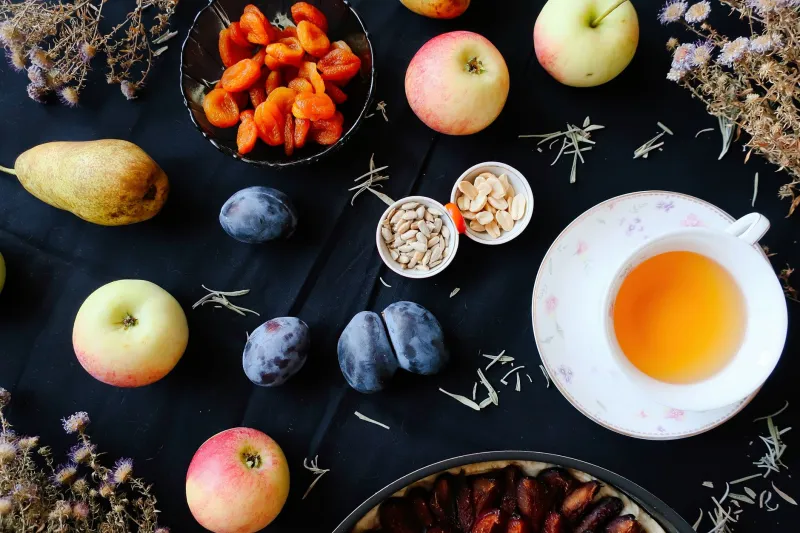
Choose dishes that improve overnight. Braises, soups, bean stews, grain salads, roasted roots, and anything with a sauce that has time to settle are generous that way. Keep fragile things separate: fresh herbs, crisp greens, fried toppings, and toasted nuts can join the second act at the last minute. If you are already making tea, think the same way. Brew enough for the pot you have, then let the leaves rest. The second pour is not an afterthought. It is part of the plan.
Store it like you mean to serve it again
Treat storage as part of hosting, not cleanup. Cool food within two hours of serving, then move it into shallow containers so it chills quickly. Label containers with the date and what is inside. Most cooked dishes keep in the refrigerator for three to four days; if you are planning a lunch later in the week, freeze a portion now. Keep sauces, dressings, and crunchy garnishes separate so each component can be revived on its own terms.
This is not about becoming a food-safety lecturer at the table. It is about making the next meal easy enough that you actually serve it. A tidy stack of containers in the fridge is its own quiet form of hospitality. It says: someone thought about tomorrow.
Reheat with a little ceremony
Leftovers fail when they are treated as penance. They do better with a little ceremony. Reheat braises gently on the stovetop with a splash of broth or water. Warm roasted vegetables in a hot oven until the edges crisp again. Revive rice with a spoonful of water and a covered pan. Toast bread rather than letting it sit in the refrigerator until it becomes a sad sponge.
And make tea. A fresh pot is the simplest way to signal that this is a meal, not a raid on the fridge. Set out a small dish of something bright: pickled onions, lemon wedges, a handful of herbs, a spoonful of chili crisp. The second steep does not need to be fancy. It needs to feel deliberate.
Set out a help-yourself lunch
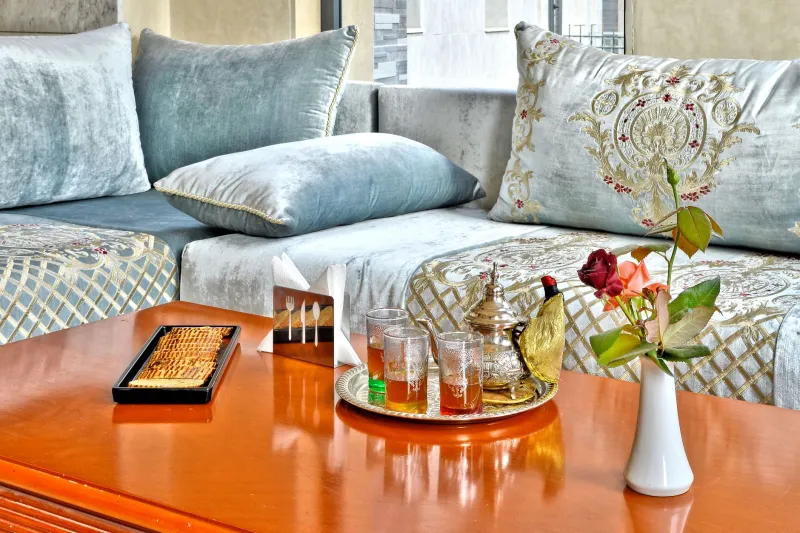
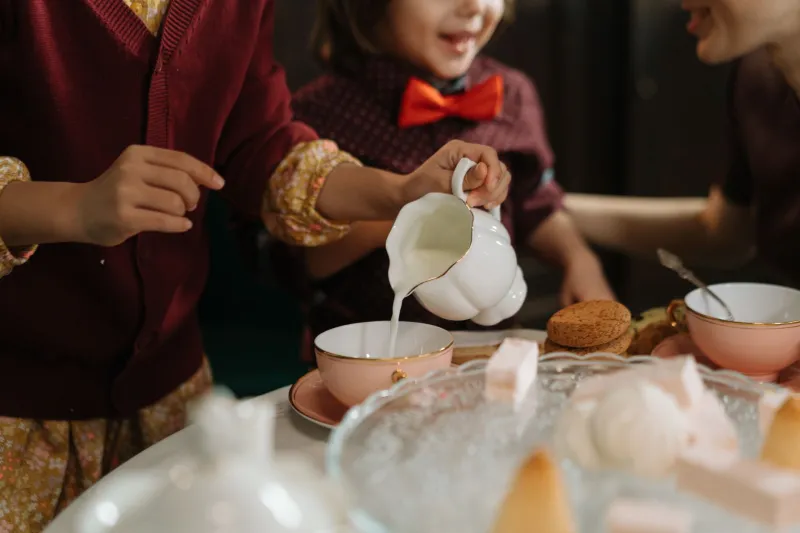
The next-day lunch works best when nobody has to host it. Clear one counter and put out the food in the order people will reach for it: plates, warm dish, cold dish, bread or crackers, condiments, utensils, napkins. Keep the tea station separate if you can, with a pot of something robust and a pitcher of hot water beside it. Add milk, honey, and lemon. Stack cups where people can see them.
A help-yourself lunch is not a free-for-all. It is a small system. Put the warm food in a covered dish so it stays warm. Set out a bowl for scraps and a place for used plates. If there are more than a few people, write a small note on a card: warm the rolls for eight minutes; the soup is in the blue pot; please help yourself. That little card does more for relaxation than any seating chart.
Send guests home with a plate
Offering leftovers is an act of trust. It says: take some of this abundance with you. But offer, do not press. Some people will decline, and that is fine. For those who say yes, use containers you do not expect back. Deli containers, jars, or foil wrappers are all good. Include a note with simple reheating instructions, especially for soups, grains, or anything that needs a little water added.
A plate to go does not have to be a full meal. A wedge of cake, a few cookies, a container of soup, or a spoonful of something savory for tomorrow's breakfast is enough. The point is continuation. Hospitality that ends at the front door is lovely. Hospitality that follows someone home has a longer life.
The second steep is not endless
There is a limit to every pot. Leftovers should be eaten, frozen, or composted within a sensible window, not kept as a museum of the weekend. The second steep is a gift, not a sentence. Use your senses, follow basic food-safety guidance, and let the pot go when it is done.
Still, the metaphor holds. A good meal can pour twice. With a little planning, a few good containers, and a fresh pot of tea, you can turn yesterday's table into today's quiet welcome. That is not a failure of planning. It is hospitality that knows how to keep going.