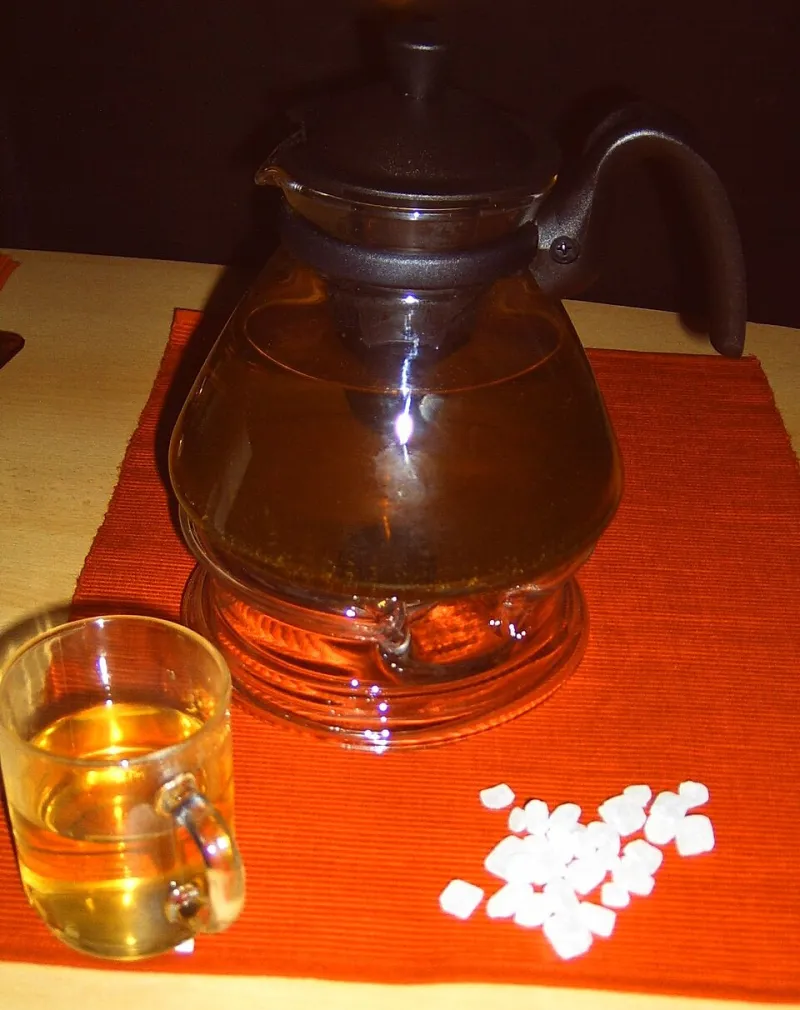
Before the Brunch Rush: A Morning Table That Asks Less of Everyone

Photo by Photo by Kris Shved on Unsplash on Unsplash
Sunday brunch in the United States has a choreography all its own. Someone makes a reservation three weeks out. Someone else studies the menu before arriving. There are mimosas, there is a wait, and there is usually a moment when the host is standing in the kitchen while everyone else is laughing at the table.
A tea-house breakfast works the other way around. It is not a service. It is a table with a pot on it. The bread is warm, the jam is open, and nobody is timing the eggs. The point is not to turn your kitchen into a Kyoto tea room at 8 a.m. The point is to borrow the part of tea-house culture that makes a morning feel unhurried: a strong pot, a shared table, and permission to stay a little longer.
The Case for a Morning Pot, Not a Brunch Service
Brunch has become a reservation sport. Even at home, it can turn into a production: a stack of recipes, a sink full of pans, and a host who never sits down. Tea houses have their own rituals, but the useful one for a home cook is simpler. The tea is the center of the table, and the food is there to keep you at the table. You do not need a menu. You need a pot that stays hot.
That shift changes the guest list, too. Brunch often asks people to commit to a time. A morning pot can run as an open house. Friends can come at 9:30 with a loaf of bread, or at 11 with a jar of jam. The table absorbs them. The host is not waiting on a seating chart. The host is pouring.
A Menu That Fits on One Counter
The easiest tea-house breakfast is not a spread. It is a short list of things that taste good together and do not need a line cook.
Start with one pot of strong tea. English breakfast, Assam, or a dark oolong will hold up to milk and bread. If you want something softer, make a second pot of genmaicha or hojicha. Keep a kettle of hot water nearby so the pot can be topped up without a ceremony.
Then choose one warm bread. A crusty loaf, soft rolls, bagels, or even good toast. Put out butter and two jams, not six. Add one cold thing: yogurt, sliced fruit, or a bowl of berries. If you want eggs, make them soft-boiled and let people peel their own. That is the whole menu. No pancake station. No menu cards. No one asking how you want your eggs.
The counter can hold the rest: mugs, small plates, a pitcher of water, a dish of spoons. The table gets the pot, the bread, and the jam. That is enough.
Timing: An Open Window, Not a Seating
Tell guests the table is open from 9 to 11:30. Say it plainly: come when you can, stay as long as you like. This is not a trick to avoid RSVPs. It is the rhythm that makes the morning work. People arrive in waves. The first group may be finishing toast when the second group walks in. That is fine. The table is not a performance with a curtain time.
Keep the bread warm in a low oven and bring out another round when the first basket empties. Refresh the pot at the halfway point. Do not wait for every chair to fill before you sit down. In fact, sit down early. A host at the table tells guests that the morning is already going well.
The Seating Rhythm That Keeps It Relaxed
A tea-house table is not assigned seating. It is a loose arrangement of people who can reach the jam. Let guests sit where they land. Do not rearrange the room when a late arrival appears. Pull up a chair, point to the kettle, and let the table make room.
Keep the plates small and the mugs full. Clear only what is empty. Do not sweep away a plate while someone is still buttering bread. A few crumbs on the table are not a failure. They are evidence that people are eating.
If someone arrives late, do not make them a special plate. Show them where the bread is and pour them a cup. The table can handle a second wave. It can also handle a guest who only wants tea and conversation. That is the whole idea.
Small Comforts That Do the Work
The details that make a morning table feel settled are not expensive. Warm the mugs with hot water before the first pot. Put a clean dish towel near the bread. Set out a small pitcher of water for tea. Keep the music low enough that people do not have to raise their voices.
A few more useful habits: leave a chair near the kettle for the person who wants to help. Put out containers for leftovers, but do not mention them until the end. If a guest asks what to bring, say bread or jam. If they ask what to wear, say nothing. It is breakfast.
The host's job is not to keep the morning moving. It is to keep the pot warm. Everything else can wait.
When to Let Brunch Be Brunch
This is not an argument against eggs Benedict. Some mornings call for a reservation, a menu, and a round of mimosas. Brunch has its place. But when the guest list is loose and the goal is company, the morning pot is the easier invitation. It asks less of the host and more of the table. It gives people a reason to sit down before noon and a reason to stay after the plates are cleared.
Aiseki Chaya is built on shared tables and steeped stories. A slow morning table is one of the simplest ways to practice both. Put the kettle on. Cut the bread. Leave the door open.