Borrowed Chairs, Steady Kettle: Hosting the Holiday Overflow With Tea-House Calm
Photo: PattayaPatrol, CC BY-SA 4.0, via Wikimedia Commons
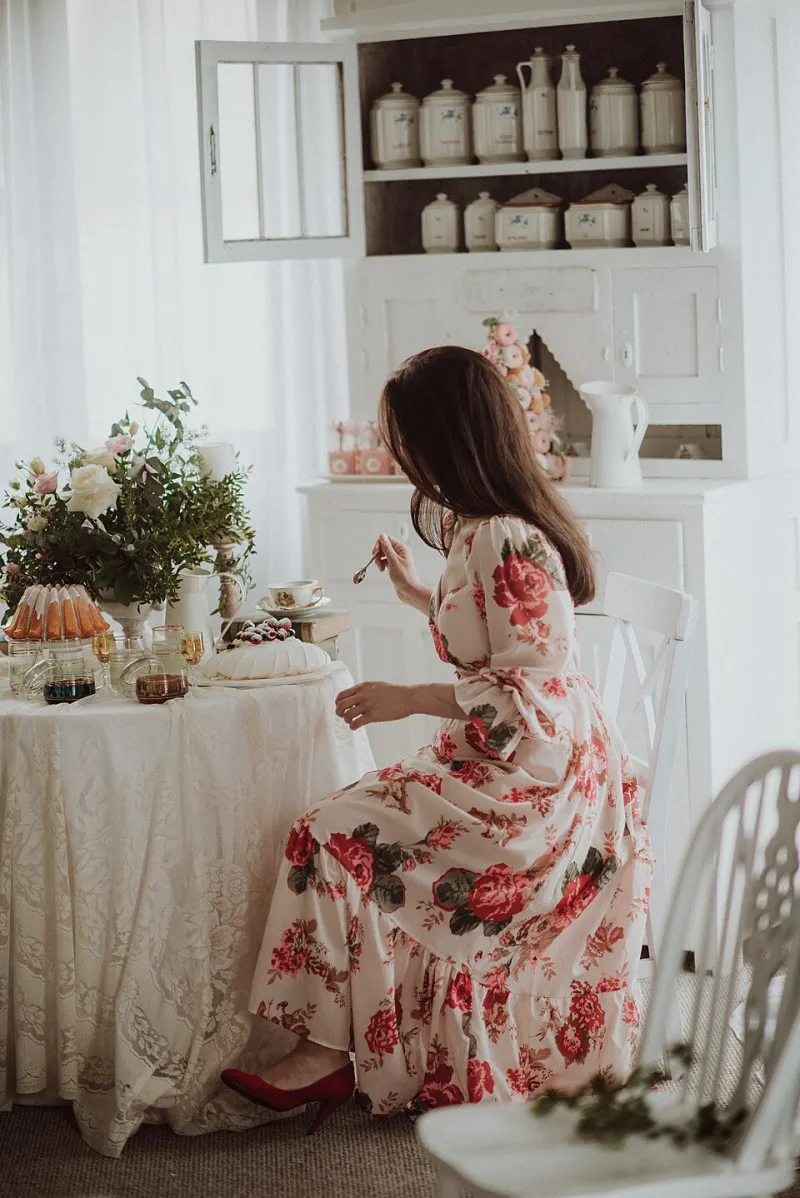
When the guest list grows from four to eight, the first instinct is to solve the room. Move the sofa. Borrow chairs. Find another leaf for the table. All of that helps, but it is not the whole job. A tea house does not get calm by having perfect furniture. It gets calm by making the serving itself simple enough that people can settle in. The holiday overflow works the same way.
A borrowed chair is not a failure of planning. It is a sign that the table is doing its job. The trick is to stop treating the extra guests as a logistics problem and start treating them as part of the same shared-table rhythm. More people can feel generous. More people can also feel cramped. The difference is usually in the menu, the cups, and the order of things.
Start With the Seating You Have
Do not wait until the doorbell rings to count chairs. Walk the room a day ahead and make a honest list: dining chairs, desk chairs, a bench, a sturdy ottoman, the folding chair from the closet. Mismatched is fine. Wobbly is not. If a chair feels risky, put it against a wall or skip it.
Then think in zones rather than one perfect table. A dining table for six, a small side table for two, a couch corner with a tray — that can host eight more comfortably than a single table squeezed to its limit. In a tea-house frame, this is normal. People sit where there is room, not where the place card says. Let the overflow spill into the living room and keep the food and tea easy to reach from both places.
One practical move: set the table with the widest mix of chairs you have, then tuck the smallest ones at the ends. Save the most comfortable chairs for the guests who will stay longest. Nobody needs to announce this. It just happens.
Shrink the Menu, Not the Welcome
A crowded table does not need more dishes. It needs fewer decisions. This is the moment to build a meal that can be served from one or two warm pots and a board that does not need last-minute work.
Think soup, bread, something pickled, something soft, and a plate of cookies. Add a pot of tea and you have a table that can absorb an extra person without a crisis. If you want a centerpiece, make it the kettle or the soup pot, not a tower of plates that has to be passed around eight people.
A short menu also protects you from the holiday habit of cooking for the guests you expected rather than the guests who arrived. If someone brings a dish, wonderful. Put it on the board. If two people bring dessert, cut one into smaller pieces and send the rest home. The goal is not abundance for its own sake. It is enough for everyone to take a second pass without the host disappearing into the kitchen.
Put the Kettle Where the Traffic Is
In a tea house, the kettle is rarely hidden. It is part of the room. At home, that means moving the tea station out of the kitchen and into the path people already walk. A side table near the dining room, a tray on a low bookshelf, a corner of the counter that is not in the cooking zone — any of these works.
Set out cups, a small pitcher of hot water, tea bags or loose tea, and a cloth for drips. If you are serving a pot, keep a second pot warm nearby. The point is not to make people serve themselves because you are too busy. The point is to make the room feel like it has a center that is not the host.
This also solves a quiet hosting problem: guests who do not know what to do with themselves. Give them a job near the kettle. Ask them to pour for the end of the table. Ask them to pass the cookies. A tea-house table gives people small, useful roles, and that is often more welcoming than a formal seat assignment.
Use Smaller Cups and Slower Rounds
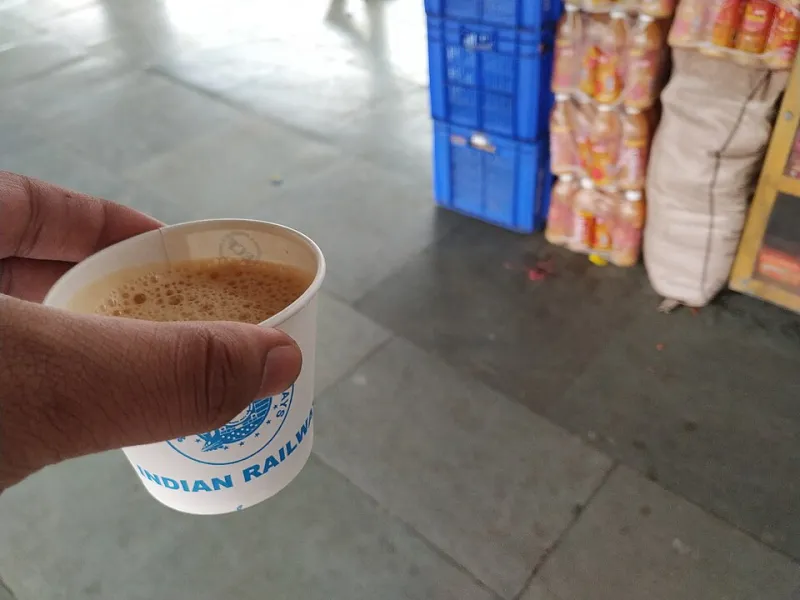
Large mugs are comforting, but they are not always the best tool for a crowded room. Smaller cups — three or four ounces, the kind used for tea — let people take a warm sip without committing to a full drink. They also create natural pauses. Someone pours. Someone passes. Someone gets up to refill. The table breathes.
This is not about being precious. It is about pacing. When eight people are sharing a table, a smaller cup keeps the tea warm and the conversation from getting stuck in one long round of passing. You can refill a small cup three times in the time it takes one person to finish a giant mug. That is a feature, not a flaw.
Stagger the Sitting, Not the Guests
Not everyone has to sit at the same moment. In fact, the holiday overflow usually works better when they do not. Let the first group settle at the table while the next group takes the couch with a plate on their laps. After twenty or thirty minutes, offer a swap. Someone gets up for tea, someone takes the vacated chair, and the room rearranges itself without anyone being exiled.
This is where the tea-house idea earns its keep. A shared table is not a courtroom. It is a place people move through. If you have a bench, use it as a hinge between the table and the living room. If you have a folding chair, keep it near the kettle so it can be pulled in when someone wants to join the conversation. The seating plan should be loose enough to be kind.
Let the Table Be Borrowed
The best holiday tables are not the ones that look untouched. They are the ones with a water ring near the edge, a napkin someone folded into a triangle, a chair pulled in from the next room. That is not disorder. That is evidence of use.
So borrow the chairs. Use the odd cups. Put the extra leaf in and cover the seam with a runner. Set the kettle where people can reach it, keep the food simple enough to refill, and let the seating shift as the afternoon goes on. The 2026 holiday stretch does not need a bigger performance. It needs a table that can hold the people who actually showed up.
The Point Is the Pause
When the room is full, the host's job is not to keep everything smooth. It is to keep the kettle steady. A pot of tea does not care whether there are six chairs or eight. It just needs hot water and a few minutes. That is a useful thing to remember when the doorbell rings again.
Make room. Pour slowly. Let someone else pass the cups. The table will be crowded, and that is all right. Hospitality is not a seating chart. It is the willingness to pull up one more chair and keep the pot going.