The First Thursday Kettle: A Standing Tea Hour That Actually Happens
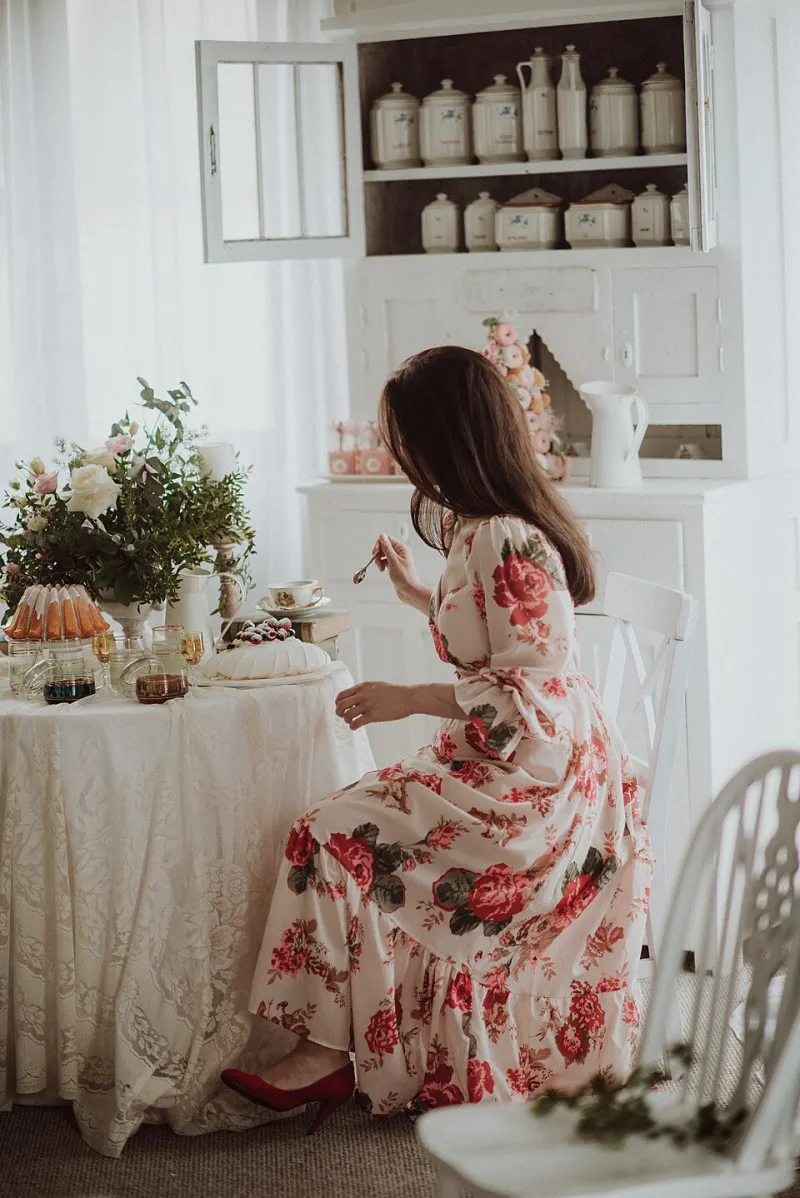
Photo: Shixart1985, CC BY 2.0, via Wikimedia Commons
The Problem With 'Sometime'
We all have that neighbor. Maybe it is the couple two doors down who lent you a ladder, or the coworker who keeps saying you should meet their partner. The invitation is warm and completely unbookable: come by sometime. Sometime is not a day. Sometime has no start time, no end time, and no pot on the stove. It is a nice feeling with no calendar entry attached.
A standing invitation fixes that without turning your living room into an event venue. Pick a recurring hour, keep a simple tea setup on hand, and let people know they are welcome on that rhythm. Not every week. Not even every month, necessarily. The point is repetition, not volume. A predictable pot of tea can do more for a neighborhood than one big, exhausting bash.
This is the tea-house idea in everyday clothes: the table is set, the kettle is on, and you do not need a reason to sit down.
Pick a Day You Can Actually Defend
The first Thursday of the month is a good example because it sounds like a habit instead of a plea. It is far enough from the weekend that people are not guarding their plans, and it gives the week a soft landing. But the day matters less than the commitment. Choose something you can keep on a random Tuesday in February when you are tired and the house is not clean.
A few practical rules:
- Keep the window short. An hour and a half is generous. Two hours is plenty. You are hosting a tea break, not a open house.
- Put it on your own calendar first. If it is not real to you, it will not be real to anyone else.
- Tell people once, clearly, and then remind them lightly. A text the week before is enough. No elaborate invitations.
- Expect a small table. Three people is a tea hour. Eight people is a different article.
You are not trying to fill a room. You are trying to make room for the people who are already nearby.
The Pantry That Makes It Easy
The standing invitation only works if it is genuinely low-effort. That means a pantry that can produce a decent tea table without a grocery run every time. You do not need a tea salon. You need a shelf that says yes.
Keep a black tea, a green tea, and a caffeine-free option such as rooibos or mint. Add a small jar of honey, a lemon or two, and whatever milk you normally drink. A bag of good cookies in the freezer is not cheating. Neither is a loaf of bread and a tub of butter. If you want to be a little more generous, keep olives, nuts, or a block of cheese around for people who arrive hungry.
Mugs matter more than teapots. A mismatched stack is fine. So is a thermos of hot water if you do not want to refill a kettle mid-conversation. The goal is not a styled scene. The goal is a table where someone can pour themselves a second cup without asking permission.
One small hosting trick: set the tea station at the edge of the kitchen or on a side table, not in the middle of the room. It gives people a place to land when they walk in and something to do with their hands while they settle.
How to Set the Edges Without Being Weird
A standing invitation needs edges. Not rules, exactly. Edges. People relax when they know how long something lasts and what they are expected to bring, which is usually nothing.
Say the window when you invite people: drop by between 5:30 and 7 on the first Thursday. If someone asks what to bring, give them an easy answer. Bring nothing. Bring a cookie if you are already going to the store. Bring a friend if they need a low-pressure introduction to the block. The standing tea hour should not create a catering debt.
For the end, use a gentle signal instead of a sweep. Around 6:45, make one last pot and say something like, last call for tea before I turn off the kettle. That does two things. It gives the gathering a shape, and it gives quiet people permission to leave without making a production of it. You can also start tidying the snack plates. Everyone understands a host who is wrapping up.
If you want to be very clear, put the end time in the invitation and stick to it. A predictable end is a kindness. It makes the next one easier to accept.
Drop-Ins, Dietary Curveballs, and Other Real Life
A standing invitation is not a chaotic open door. You still get to decide how public it is. Some hosts keep it to a loose group of neighbors and coworkers. Others tell people to bring one person if they want. The key is to be clear about the vibe. This is a tea hour, not a surprise party. A text saying I am bringing my sister is perfectly welcome. A marching band is not.
Dietary needs are simpler when you do not try to solve every one in advance. Keep one or two things that are reliably dairy-free and gluten-free, and label them if the table is crowded. A bowl of plain nuts, a plate of fruit, or a package of crackers with the ingredients still visible goes a long way. If someone has a serious allergy, they will usually tell you. Ask once when they become a regular, then remember it. You are not running a restaurant. You are running a kettle.
And if only one person shows up? That is not a failure. That is a tea hour. Sometimes the small table is the whole point.
Why the Same Pot Beats the Big Night
A one-off party asks a lot of everyone. It asks you to clean, cook, and perform hospitality. It asks guests to clear a weekend, find a babysitter, and arrive with a bottle of wine. A standing tea hour asks much less. It asks you to keep the kettle within reach and to be home. It asks guests to stop by if they can.
That lower bar is not a compromise. It is the strategy. Repetition builds familiarity. People learn where the mugs are. They learn that they do not have to dress up. They learn that the first Thursday is a reliable place to see a familiar face. That is how a block becomes a neighborhood, and how a coworker becomes a friend.
The tea-house spirit is not really about ceremony. It is about a table that stays available. A standing invitation is that table with a day attached. Put it on the calendar, keep the pantry easy, and let the same pot do the work.
A Small Ritual, Not Another Obligation
Start smaller than you think you should. One hour. One pot. Three people you actually like. If it works, it will grow on its own. If it does not, you can change the day or let it go. The standing invitation is supposed to make your life softer, not add another column to your calendar.
So pick a Thursday. Or a Sunday afternoon. Or the second Saturday of the month. Write it down. Tell two people. Buy a box of good tea and a bag of cookies for the freezer. Then leave the kettle where you can reach it. Come by sometime is a lovely sentiment. Come by on the first Thursday is a table.